A New Kind of Energy Revolution
When most people think about solar energy, they imagine big cities or sprawling solar farms in the desert. But lately, the real energy revolution is happening in small towns across the South. From Mississippi to Louisiana and up through Georgia, communities that were once dependent on fossil fuels are finding new life through solar power.
As someone who works in renewable energy, I have seen this shift firsthand. It is not just about cleaner electricity. It is about creating opportunity, saving money, and empowering small-town residents to take control of their energy future. The Southern solar boom is proving that renewable power is not just for the wealthy or the urban. It is for everyone.
Why Community Solar Works
Community solar projects are changing the game for rural America. Instead of every home installing its own rooftop panels, people can buy or subscribe to a portion of a larger shared solar array built within their community. That means homeowners, renters, and even small businesses can benefit from solar energy without having to put panels on their own roofs.
These shared systems make clean energy more affordable and accessible. Local governments, electric cooperatives, and private developers are teaming up to build solar projects that serve entire neighborhoods or towns. This cooperative model fits perfectly with the Southern spirit of community, where people still look out for each other and share resources for the common good.
Economic Power and Energy Savings
One of the biggest myths about renewable energy is that it is too expensive. In reality, solar power has become one of the most cost-effective sources of electricity in the world. Across the South, families are starting to see real savings on their monthly bills thanks to community solar programs.
In Louisiana, for example, some projects are cutting electricity costs by 10 to 20 percent for local residents. That may not sound like much at first, but for families in rural areas or on fixed incomes, it makes a meaningful difference over time. And as the price of solar panels continues to fall, those savings will only grow.
Beyond the financial benefits for households, community solar projects also bring jobs. Construction, installation, maintenance, and support roles are all needed to keep these systems running. Many of these jobs stay local, boosting the regional economy and keeping talent in the community.
A Cultural Shift Toward Clean Energy
The South has long been known for its oil, gas, and coal industries. But today, we are witnessing a cultural shift. Young people growing up in small towns are increasingly passionate about sustainability. Farmers are seeing how solar can help power their irrigation systems or offset rising fuel costs. Even churches and schools are joining the movement, adding solar panels to reduce energy expenses and invest more into their missions.
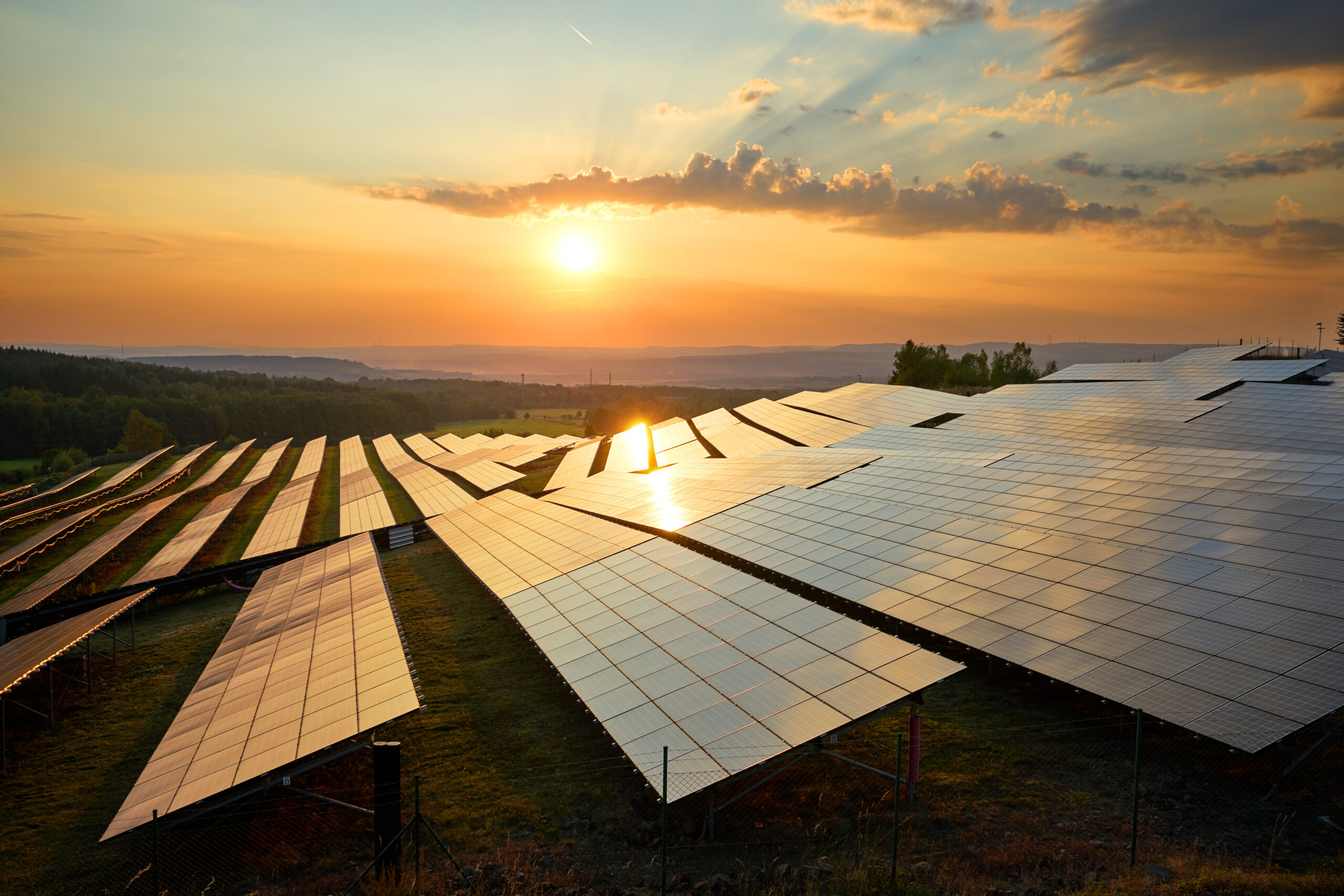
This shift is not just about technology. It is about pride. Communities are realizing they can be part of something bigger—protecting the land, saving money, and supporting the next generation’s future. When you drive past a small-town solar field and see panels shining in the sunlight, it is hard not to feel hopeful about what is ahead.
Overcoming Challenges
Of course, the path to solar success is not without its hurdles. Rural areas often face outdated grid infrastructure and limited access to financing. Some residents remain skeptical about renewable energy or fear that solar might threaten traditional industries.
Education and collaboration are key. By holding community meetings, offering transparent data, and showing real-world examples of success, more people are starting to embrace the benefits. State and local policies also play a major role. When lawmakers support fair net metering, incentives, and tax credits, it makes it much easier for these projects to thrive.
As awareness grows, even the skeptics are coming around. People are seeing that solar energy is not about replacing old traditions but about improving them. The same hard work, ingenuity, and resilience that built Southern communities are now being used to power them in a cleaner, smarter way.
Looking Ahead
The future of Southern energy is bright—literally. With advances in battery storage, microgrids, and smart technology, solar power is becoming more reliable and efficient every year. Communities that once struggled with power outages or high costs are finding new stability through local solar networks.
I believe the South has a special role to play in America’s clean energy transition. We have the land, the sunlight, and the spirit of cooperation that community solar thrives on. Every project built here brings us one step closer to energy independence and a stronger, more sustainable future.
The Southern solar boom is not just about electricity. It is about empowerment. It is about seeing our small towns take charge of their destiny and prove that progress and tradition can live side by side. When the sun shines on a new solar array in a place like Baton Rouge, Biloxi, or Macon, it is more than just power generation—it is a sign that the South is ready for what comes next.