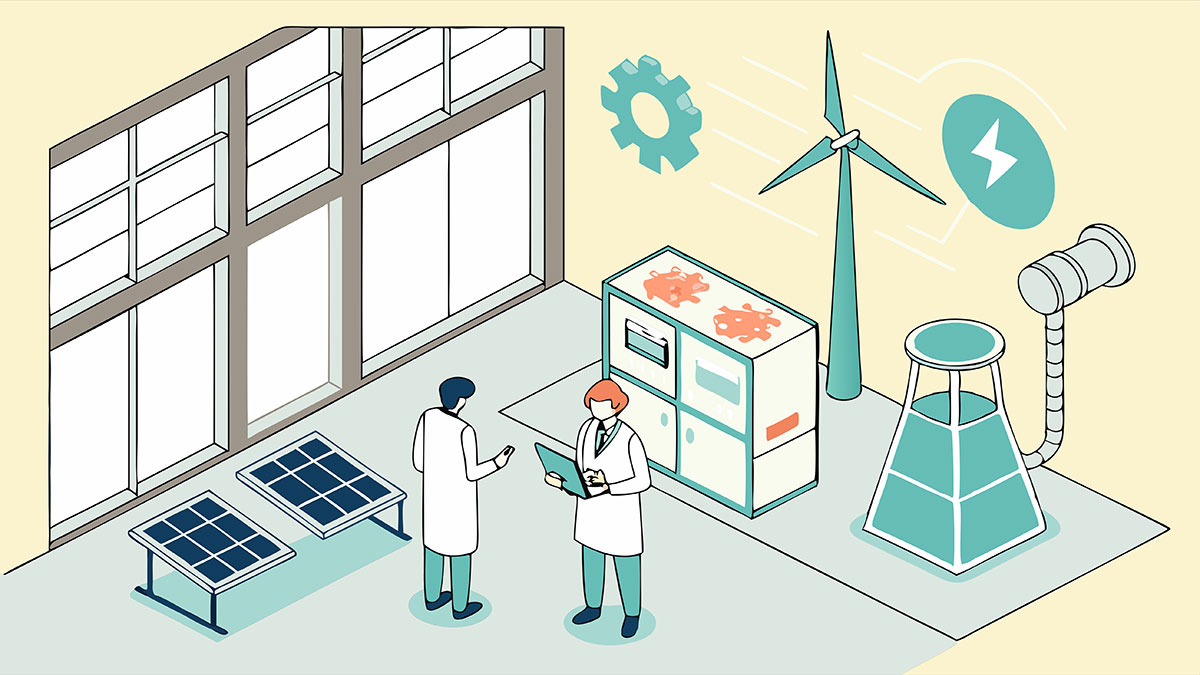
One of the most rewarding aspects of working in renewable energy is seeing research move from theory into practice. Over the years, I have had the privilege of working on projects that take ideas developed in laboratories and transform them into solutions that power real communities. This journey from lab to field is not always straightforward, but it is where innovation truly meets impact.
Bridging the Gap Between Research and Application
Renewable energy research often focuses on improving efficiency, developing new materials, or testing innovative energy storage solutions. While these advancements are exciting, their true value is realized only when they are applied in the real world. For example, during my graduate studies at the University of Michigan, my thesis focused on integrating distributed solar into legacy grid networks. Translating this research into actual deployments in rural Louisiana required not only technical expertise but also careful planning, regulatory navigation, and community collaboration.
The transition from lab to field requires a mindset that balances innovation with practicality. A solution may work perfectly in a controlled environment, but real-world conditions introduce variables such as weather, load fluctuations, and human behavior. Understanding and anticipating these challenges is key to turning research into actionable projects.
Real-World Testing and Adaptation
Field deployment often reveals issues that were not apparent in the lab. For example, when implementing solar microgrids in rural areas, we had to account for local infrastructure limitations, variable sunlight, and maintenance capabilities. Each site presented unique challenges, and solutions had to be adapted to fit the environment.
One lesson I have learned is the importance of iterative testing. Rather than expecting a one-size-fits-all solution, we deploy pilot systems, gather data, and refine the design before full-scale implementation. This approach ensures reliability and optimizes performance while reducing risks. It also builds confidence among stakeholders, including local governments, utilities, and community members.
Collaboration Between Researchers and Practitioners
Bringing renewable energy research to life requires collaboration across multiple disciplines. Engineers, scientists, policymakers, and community leaders all play critical roles. During my time leading projects at GulfStream Renewables, I often worked alongside researchers to apply findings from advanced battery technology or energy management software directly to our infrastructure projects.
This collaboration creates a feedback loop. Field experience informs future research, while new research drives improvements in design and efficiency. In my experience, the most successful projects are those where communication flows freely between the lab and the field. Everyone must understand both the theoretical potential and the practical limitations of a solution.
Policy and Regulatory Considerations
Turning research into real-world applications also requires navigating policy and regulatory frameworks. Renewable energy technologies, particularly distributed solar and microgrids, often face complex interconnection rules, permitting requirements, and incentive programs. Leaders in this field must understand these frameworks and work proactively with regulators to ensure compliance and secure funding.
I have seen projects succeed when technical innovation is paired with policy strategy. For example, integrating a community solar system into a legacy grid involved working with the local utility, educating residents, and securing state incentives. Without addressing these non-technical elements, even the most promising research could fail to achieve its intended impact.
Community Engagement and Education
Real-world solutions are most effective when communities understand and support them. I have worked on projects where local residents participated in installation, monitoring, and maintenance. This involvement not only ensures long-term sustainability but also educates the community on renewable energy and energy management.
One of my favorite experiences was helping a rural school district implement a solar microgrid. Students learned how energy storage systems worked, how to monitor power use, and why clean energy matters. Seeing their excitement and curiosity reinforced why moving research from lab to field is so important. It is not just about technology; it is about empowerment and education.
Measuring Impact and Scaling Solutions
Once research has been successfully applied, the next step is measuring impact and scaling the solution. Key metrics include energy savings, carbon reduction, reliability, and cost-effectiveness. Data collected from real-world deployments informs future projects, guides investment decisions, and helps refine policies and standards.
Scaling solutions also requires flexibility. What works for one community may need modification to succeed elsewhere. By combining lessons learned from research with field experience, we can expand the reach of renewable energy innovations to benefit more people and more regions.
Conclusion
Moving renewable energy research from lab to field is both challenging and immensely rewarding. It requires technical expertise, adaptability, collaboration, policy navigation, and community engagement. Over the years, I have seen how research, when applied thoughtfully, can transform communities, improve resilience, and contribute to a cleaner, more sustainable future.
For me, the most fulfilling moments are seeing students learn, families gain reliable power, and communities become more resilient because of solutions that originated in a lab. Renewable energy is not just about innovation; it is about creating real-world impact. The journey from lab to field reminds me that the ultimate goal of research is not knowledge alone, but tangible improvements in people’s lives.
As we continue to develop new technologies and refine existing ones, the opportunities to turn research into action are greater than ever. With collaboration, creativity, and commitment, the potential to transform energy systems and empower communities is limitless.